If you've ever tasted raw honey straight from a local hive and then gone back to the grocery store stuff, you know the problem. There's no comparison. Here's what makes Big Island honey specifically worth caring about.
Your Grocery Store Honey Is Not What You Think It Is
Most commercial honey is blended from dozens of sources, heated to high temperatures so it flows easily, filtered until it's crystal clear, and sometimes cut with other sweeteners entirely. The USDA has no legal standard of identity for honey, which means a jar with a honeycomb on the label isn't required to contain anything particularly special.
What gets filtered out in commercial processing: pollen (the stuff that tells you where the honey came from), propolis, enzymes, and much of the complex flavor that makes honey interesting in the first place. What you're left with is a shelf-stable sweetener. It'll do the job. But it's not honey the way bees make it.
Raw Honey is Different, and It Shows
Raw honey is exactly what it sounds like: honey that hasn't been heated beyond hive temperature or heavily filtered. The enzymes, pollen, and flavor are intact. It may crystallize over time. (That's a feature, not a bug. It means the sugar content is right and nothing's been adulterated.) It looks different batch to batch because the bees are foraging different flowers at different times of year.
Our honey is extracted, strained through mesh to remove wax and debris, and jarred. That's it. What ends up in the jar is what the bees made.
Why Hawaiian Honey Is Its Own Thing
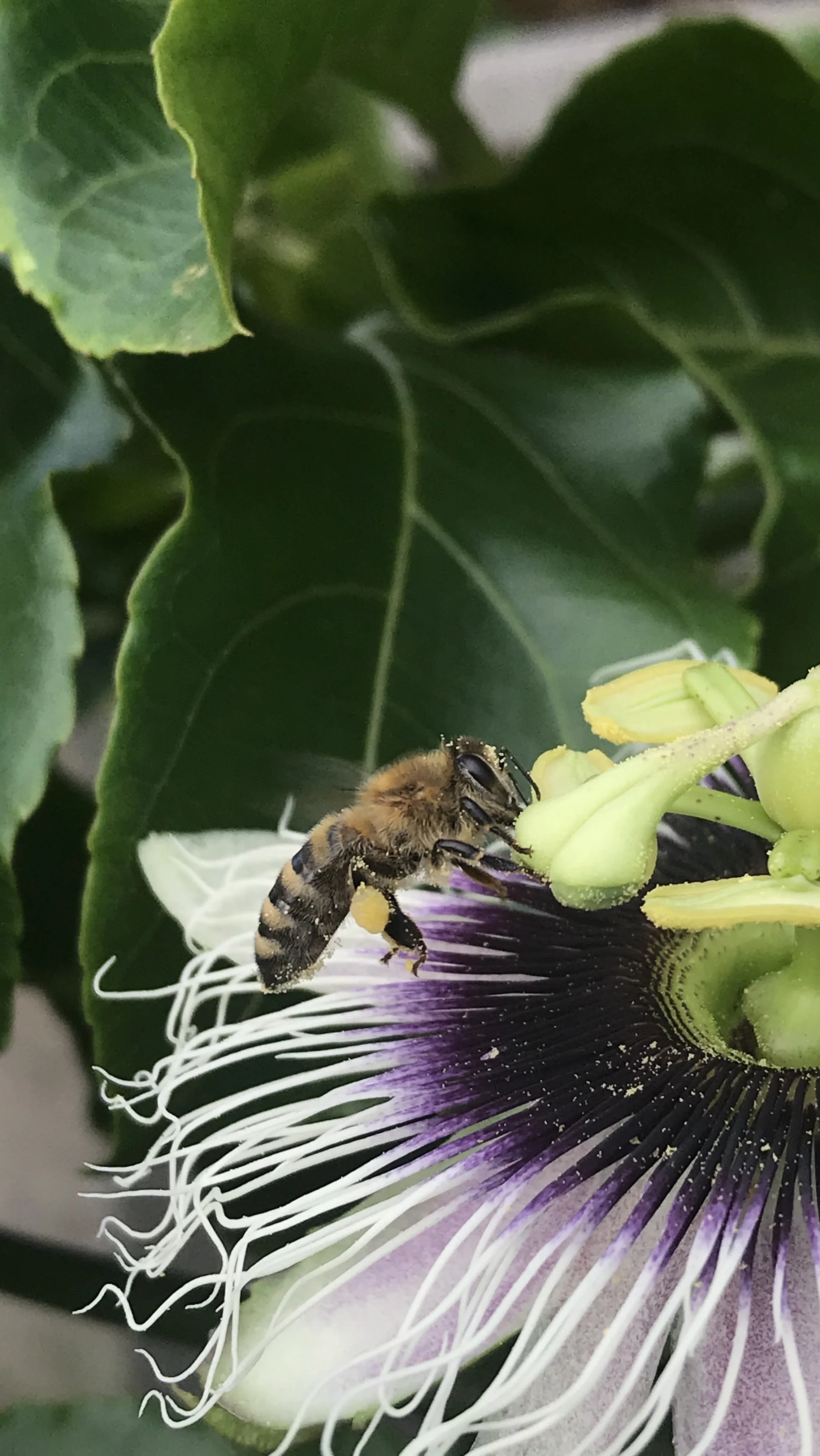
Hawaiʻi is one of the few places in the world where bees forage year-round. There's no winter shutdown and there’s no monoculture landscape of a single crop blooming for six weeks and then nothing. Our bees on the east side of Hawaiʻi Island have access to a staggering variety of tropical and native plants in bloom at any given time: macadamia,ʻōhiʻa, java plum, tropical flowers, and plants that don't have common English names because they don't grow anywhere else.
That diversity shows up directly in the honey. Hawaiian honey tends to be darker and more complex than mainland clover or wildflower honey. It’s less one-note sweet, more layered. Some batches lean floral, some lean earthy. It shifts with the season and what's in bloom near the hives. That variation isn't inconsistency, it's the landscape talking.
Hilo specifically sits on the wet, windward side of the island. It rains a lot (understatement). That means lush, dense vegetation and a forage environment that's genuinely unlike anywhere else. The honey our bees make in Hilo doesn't taste like honey from the dry Kona side of the island, and it doesn't taste like anything from the mainland. It tastes like here.
What Creamed Honey Is (And Why We Make It)
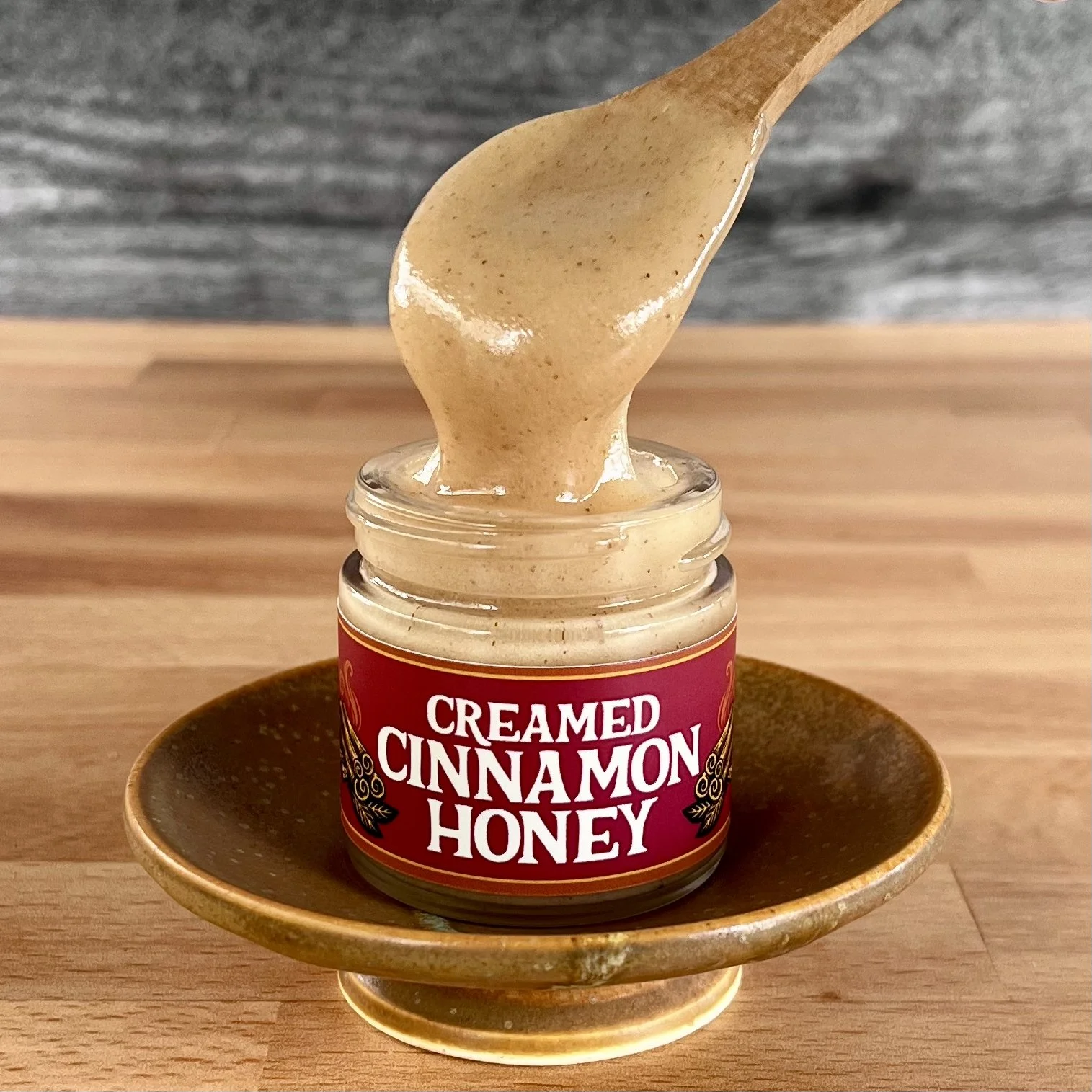
Creamed honey (sometimes called whipped honey or spun honey) is raw honey that's been processed to control crystallization. Instead of letting honey crystallize randomly into crunchy, uneven granules, we seed it with finely crystallized honey and keep it at a cool, consistent temperature while it sets. The result is a smooth, spreadable texture that stays that way.
It's still raw. The enzymes and pollen are still intact. Nothing's been added or heated beyond what's necessary to encourage the right crystal structure. It's just more pleasant to spread on toast at 7am, when you haven't had coffee yet.
We also make cinnamon, ginger, and cocoa versions, using dried organic spices blended directly into the honey. No syrups, flavor oils, extracts, or fillers.
How to Use It
Raw creamed honey works anywhere regular honey does, and better in most cases. Some favorites:
• Stirred into coffee or tea instead of sugar
• Spread thick on sourdough, toast, or warm cornbread
• As a glaze for roasted carrots, sweet potatoes, or salmon
• Drizzled over sharp cheese on a charcuterie board
• A spoonful straight from the jar when no one's watching
Because it's raw, it will change texture with temperature. We keep our jars chilled in the fridge to maintain a smooth spread, but it’s a matter of personal preference. If it separates or softens, stir and enjoy.
Why It Matters Where Your Honey Comes From
Buying honey from a local or small-scale producer isn't just a nice thing to do. It's the only way to actually know what you're getting. We know our hives, our forage environment, and our harvest. We're not blending batches from six countries to hit a price point.
When you buy a jar of our honey, know that it was made by bees who live a two minute walk from where I’m sitting right now, foraging the same rainy, overgrown, gloriously chaotic landscape we're trying to farm. That's the whole deal.